
By FENT, translated and edited by RFF
The FOODCITYBOOST project works to assess the impacts and risks of urban agriculture (UA), create sustainability tools to address challenges, and provide concrete proposals for policymakers. With the participation of six diverse European Living Labs, including Fundación Entretantos in Valladolid, the project employs a participatory approach that involves productive farms, community and school gardens, social farms, and urban plots. Let’s revisit what has been achieved over the last year.
First Actions in Valladolid
Following an initial organization phase, the project was introduced last fall through public presentations and meetings with the local environmental department. These created the basis for identifying stakeholders, indicators, and the local context. An online survey then collected examples of innovative agricultural practices across Europe. The first workshop on UA policy and governance generated strong engagement among participants.
Local Engagement and Research Activities
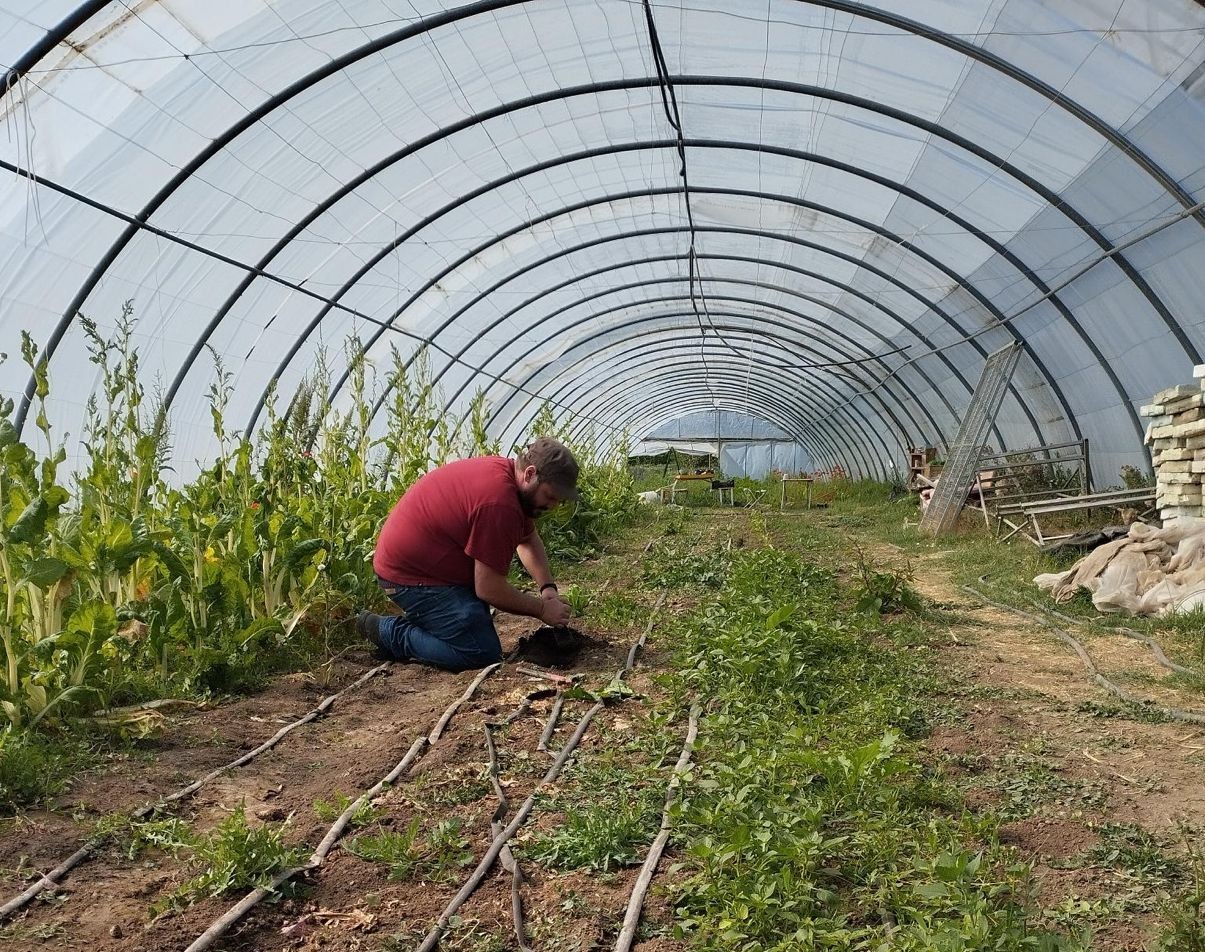
So far, more than 50 individuals, including policymakers, producers, gardeners, researchers, and consumers, have taken part in many of our Spanish Living Lab’s activities. The soil sampling sessions conducted last spring in farms and gardens will yield results that will be made available this autumn. (Photo credits: Allimenta Valladolid). Meanwhile, the Sostenipra Institute of the University of Barcelona began life cycle analyses (LCA) of a school and community garden. These assessments cover water use, composting, irrigation systems, reuse of materials, and waste management, helping identify ways to improve environmental performance and reduce costs.
Workshops and Shared Insights
The second Valladolid workshop last June focused on promoting urban agriculture through institutions. Participants agreed that Valladolid has strong cultural ties to nearby rural areas and extensive experience in participatory governance. At the same time, they recognized the need to reorganize networks around concrete, long-term projects. During the launch of his book Huertopías, sociologist José Luis Fernández Casadevante “Kois” shared inspiring examples of how urban gardens can address the ecosocial crisis by revaluing abandoned spaces, reconnecting with nature, and democratizing food systems.
Communication and Networking
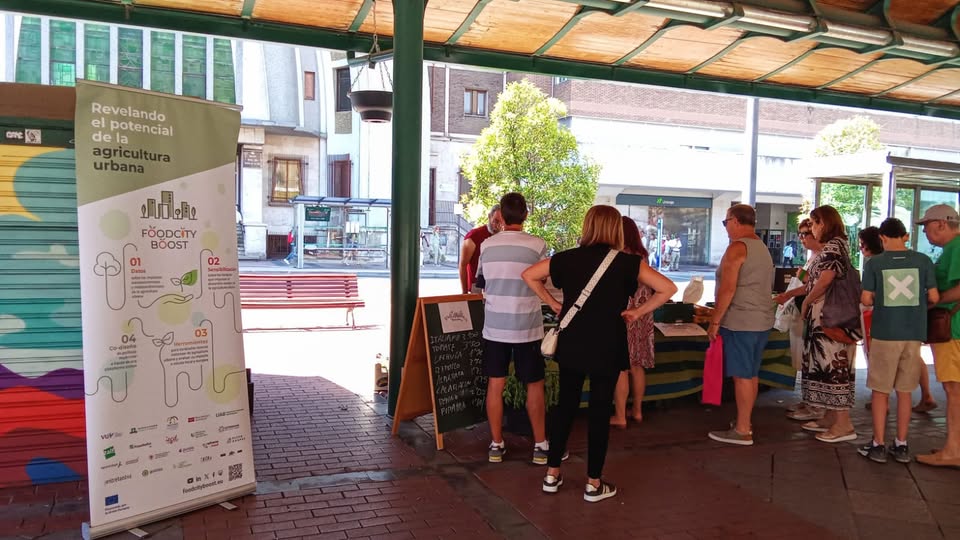
Project updates are shared on the official website and social media, with higher-than-expected reach through Alimenta Valladolid and Entretantos Foundation channels. FOODCITYBOOST has also connected with projects such as Bauhaus Bites and EFUA, while gaining national and international visibility at events like the URB Agr’inn Days in Belgium.
Next Steps
In September, Valladolid will host a workshop on participatory mapping of the local food system, with further winter sessions planned to co-develop future scenarios and transformative narratives. Through these ongoing efforts, FOODCITYBOOST aims to generate innovative solutions that bridge urban, peri-urban, and rural areas, enhance community well-being, and build more sustainable and resilient food systems across Europe.
