Cities are usually seen as places built for people to live, work, and grow. But they are also home to many other species. Parks, gardens, balconies, rooftops, street trees, and even small green corners can provide important habitats for insects, birds, and pollinators.
As urban areas continue to expand, city planners and residents are looking for new ways to protect biodiversity and support pollinators, including solitary bees. One interesting example comes from Brighton in the UK, where a creative urban design solution has been introduced: bee bricks [1]
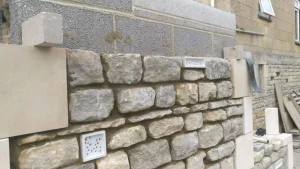
This initiative aims to support solitary bees by giving them safe nesting spaces within the built environment. Developed by the local company Green&Blue, bee bricks look like regular bricks but include small holes where solitary bees can nest. Made from recycled materials, they are designed to be integrated into buildings and walls, offering bees shelter in busy urban areas [2].
The initiative became part of Brighton’s planning policy, requiring new buildings over five metres high to include bee bricks and swift boxes. These features are intended to provide nesting spaces for solitary bees and birds, helping urban spaces become more welcoming to wildlife.
On World Bee Day, this example reminds us that protecting bees also means rethinking the way we design our cities. Bees and other pollinators play an essential role in supporting biodiversity, healthy ecosystems, and food production.
For cities, bee bricks are a small but meaningful reminder that biodiversity can be supported not only in parks and gardens, but also through the way we design and build our everyday spaces.
For FOODCITYBOOST, this world day, is also a valuable opportunity to highlight the connection between pollinators, urban biodiversity, and sustainable urban food systems. Through its six Living Labs, the project supports the development of knowledge, tools, and partnerships that can help cities move towards a more sustainable future.
Let’s bee together for the people and the planet. A partnership that sustains us all.
References
